


UK to crack down on unlicensed casinos sponsoring football teams Gambling
Anecdotal industry evidence suggests that payment methods are a factor in this decline in machine usage, as pub goers now pay for food and drink by card but might have previously played a machine using spare change. While the existing framework has allowed for some innovation in cashless payments, gambling has largely remained cash-based. In addition to this, research commissioned by Bacta showed that in 2018, seaside arcades alone contributed £451m in UK GVA, and were responsible for employing around 19,000 people. Cash-only gambling was assumed to give players more control by providing natural interruptions in play to obtain more cash, helping players play within budget limits.
What are the main regulations?
If you’re looking for commendable UK casinos with fast withdrawals, go for WinWindsor Casino, Dream Vegas, or MagoBet Casino. The subsections below offer insight on how to choose the right online casino for you. Rare as they may be, you’ll find popular no-deposit UK casinos like Spin Genie Casino on this page.
This response provides non-remote gambling operators with clear notice of our intention to introduce the measures set out within this government response. You’ll also find lots of responsible gambling tools and support options, which are often inadequate at offshore casinos. Due to its strict regulations, operators need to acquire different types of licences for different types of products they offer. Let’s find out more about online casino banking, gambling regulations, and responsible gambling in the UK. As a result of such regulations, UK casinos are popular for providing safe environments for all players online.
It was also raised that these machines can be converted to adapt a card reader for contactless payment, but adding a chip and pin device for every transaction in most cases would either not be technically feasible or cost effective. Respondents from the pub sector also raised issues with verification for each transaction on Category D crane grab machines. Overall, they would either prefer the current contactless payment restrictions to apply for debit card payments on machines or for chip and pin to only be required at the beginning of any session. While this option does not provide as great an increase in commercial flexibility as Option 3, Option 2(b) and, potentially for some operators, Option 1, the evidence received suggests that the vast majority of operators would benefit under this option. While not as liberalising as Option 3, responses from some operators indicated that increases in Category B cabinets would not be vastly different to projections provided for Option 3.
When granting applications to vary a premises licence, the licensing authority is reminded to ensure that all the appropriate licences and notices are issued with any updated information in respect of changes made by the Regulations, for example in relation to mandatory and default conditions. This would require a premises licence variation application to the relevant licensing authority given the changes to the gambling and non-gambling areas. For non-remote betting facilities, this would be a non-remote general betting (standard) operating licence. This guidance provides information on the overall intent of the statutory instruments, what the changes mean for operators of casino premises that intend to make use of the regulatory changes and how this process should be administered by licensing authorities when applications are received. Other converted casino premises where the gambling area is less than 280m² will be limited to a maximum of 16 separate betting positions. It cannot be enforced against non-extended casinos, but when calculating the number of machines against the maximum of 80, all machines in every connected converted casino will be counted, whether or not they have decided to exercise the extended entitlement.
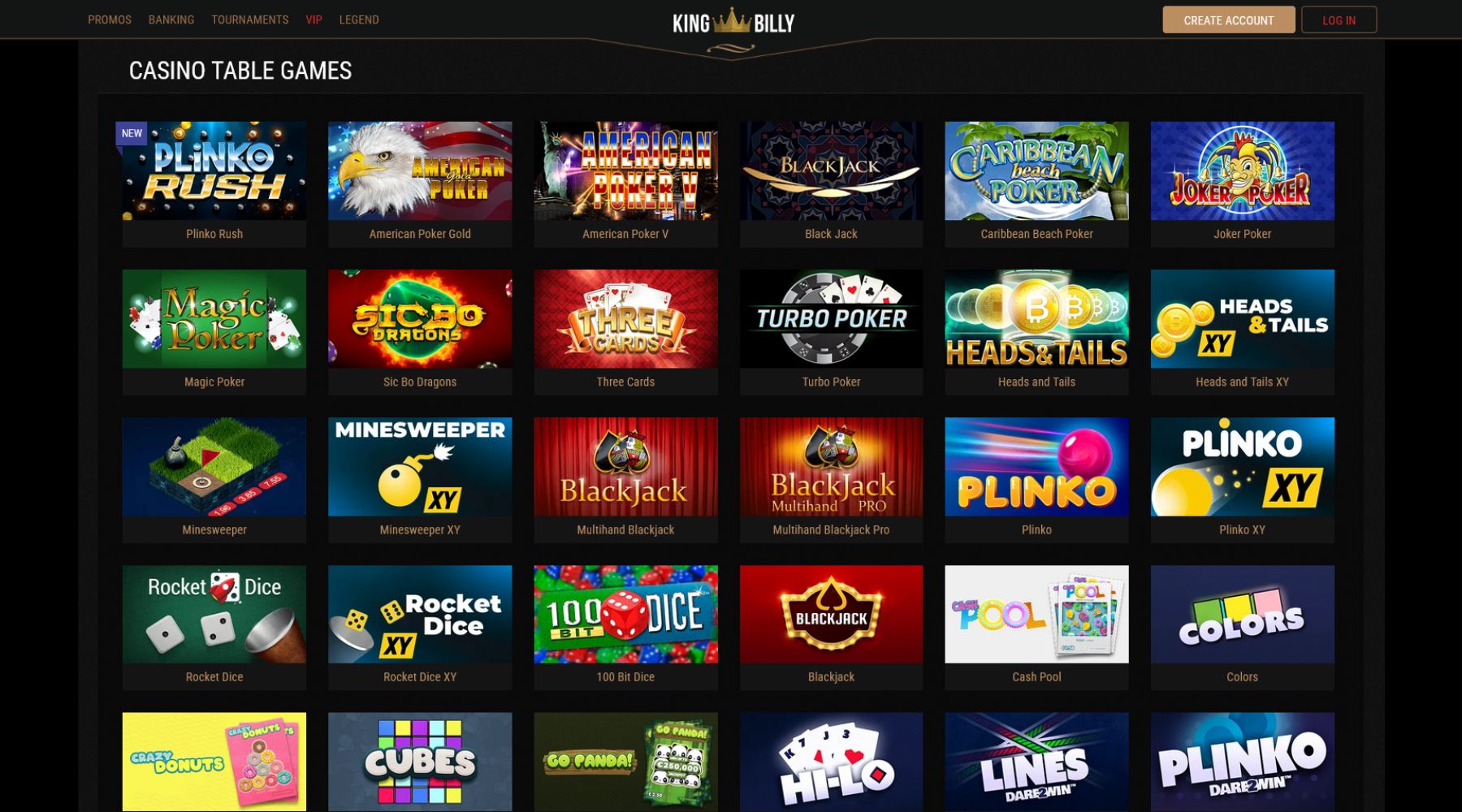
Sites with a history of licence breaches or unresolved player complaints are excluded. The site skews towards sports fans who also enjoy casino play, and the cross-promotion between the two products is done tastefully. The casino section offers hundreds of slots and table games alongside a live dealer suite powered primarily by Evolution. The platform hosts over 1,000 slots from top suppliers including Pragmatic Play and Evolution, alongside a strong live casino lobby with dedicated blackjack and roulette tables. If you click links to other sites on this page, we will earn a commission.
If we required ‘cash-out’ slot-style Category D machines to be moved to age-restricted areas in licensed FECs, it is likely that operators would no longer site these machines. Unlicensed FECs are entitled to make only Category D machines available, once they have successfully applied for a permit from the licensing authority (local authority in England and Wales, licensing board in Scotland). However, Category C machines must be in a segregated part of the premises that is supervised to prevent children and young people accessing those machines. Licensed operators are required to place Category B and C machines in age-restricted areas to ensure that under-18s do not have access to them. This change will not only strengthen the existing voluntary commitment from industry, by making it an offence to allow under-18s to play this type of gaming machine, it will also level the field between operators who are signed up to the voluntary code and those who are not.
- The Commission’s approach to risk underpins its licensing, compliance and enforcement functions.
- We propose to align the lifting of the prohibition on direct debit card payments on gaming machines and the introduction of player protections within regulations with the Gambling Commission’s review of the Gaming Machine Technical Standards.
- Some have expressed a desire to do more to apply local considerations in their areas when making licensing decisions.
- Granular data is not available on how many of these are ‘cash-out’ slot-style machines, which are in scope of this measure.
- While not yet mandatory, most major operators are complying voluntarily.
How these legislative changes affect the content of the Guidance to licensing authorities
This may include increasing staff numbers, with one licensing authority stating that it would consider dedicating one full-time resource to the enforcement of licensed premises. The majority of licensing authorities advocated for the maximum proposed premises fee increase of 30%. Following analysis, we propose to increase the maximum premises fees chargeable by licensing authorities by 15%.
In addition to this, a large number of policy documents relating to casino and general gambling operations must be designed. Operating licences are issued by the UK Gambling Commission, the overall industry regulator and ‘watchdog’. While this is an act of the UK Parliament certain aspects of gambling laws are dealt with differently in Scotland because of a separate legal system and a slightly different approach in relation to local licensing. The operation of casinos in England, Scotland and Wales is governed by the Gambling Act 2005, which came into force on 1 September 2007. As we said earlier, playing at a licensed online casino comes with lots of advantages, including fair games, player protection, and the safety of your funds. Aside from issuing licenses to operators who want to offer gambling services to residents, it also helps to regulate their activities to ensure player protection and fair play across the country.
We do not intend on making any changes to when a gaming table will be treated as being ‘used’ for the purposes of the machine to table ratio as set out in the current Regulations. If you are an operator with more than one premises licence at the same location, do you intend to take up these new entitlements for each licence? Shown if Yes is selected Do you intend to site the maximum number of machines available to you?
KYC helps gambling operators prevent non gamstop casino fraud, comply with AML regulations, and avoid hefty fines. Additionally, licensing is required even if a company’s online gambling operation is located in another country—so long as they provide services to gamblers in the UK. In cases when gambling providers operate both remotely and non-remotely, they need to hold both online and land-based licenses.
A ‘mixed session’ is a single session that takes place on games of different machine categories. These rates are lower than the majority of other gambling products, although remain above the at-risk and problem gambling rates for ‘any gambling activity’. These represent transition costs which are expected to be incurred in the first few years of implementation, with exact timescales depending on the option taken forward.
Features of the UKGC Gambling Licence
Operating licences are the primary authorisation required to provide gambling facilities in Great Britain. Apply to the Gambling Commission for a personal gambling licence or a gambling operating licence if you run or manage a gambling business. Guidance and information for complying with licence conditions and regulations for running a gambling business. Information and guidance about the licences we provide and the fees relating to gambling activities. You can apply online for a licence from us to provide casino activities. You will need to apply to the licensing authority the premises is located, to get a premises licence.
If a gambling company fails to comply with the regulations, it can face substantial fines from the Gambling Commission. Applicants are eligible to apply for the premises license only after applying or receiving an operating license. Ancillary licenses apply to operators that provide telephone and email betting.
Industry also stated that it is a different environment to online gambling where this information can be displayed at all times without impacting the customer’s privacy or influencing other player’s behaviours. In contrast, most industry responses were concerned that customers may use this information to incorrectly determine that a machine is due a pay-out and therefore could lead to people spending more on a machine. This work could then feed into the messaging that is displayed on machines.

Of those who didn’t answer ‘I don’t know’, 80% of respondents favoured operating and premises licence fees being the same for Small 2005 Act casinos and 1968 Act casinos that elect to increase their gaming machine entitlement. Very few responses were received by operators who hold more than one premises licence at the same location, but the majority of these indicated that they would not look to take up the maximum entitlement of 80 machines per licence were it to be an option. You must hold an operating licence if you are intending to run a gambling business for profit such as a betting shop, a gaming machine arcade or a casino. For converted casinos, however, there is an additional restriction on the number of betting machines relative to the size of the floor area of gambling area in that casino. Regulation 3 of these Regulations amends section 172(5)(b)(i) of the Gambling Act 2005 (c. 19) (“the Act”) to change how to calculate the number of gaming machines that may be made available for use in small casinos licensed under the Act.
When asked about the likely impact of the proposed changes, if a new regime were to take effect with the proposed new maximum of 80 gaming machines, the majority of operators (88%) stated they would look to move onto this regime. We will allow direct debit card payments to be made on gaming machines, subject to the player protection measures outlined within this government response. For example, safer gambling functionality is now available and widely used on many gaming machines. The remote casino operating licence allows you to offer casino games to customers via a website, mobile phone, TV or other online service.
This means that many FEC operators do not currently have age-controlled areas and would have to invest in creating such an area for what is a low stake product. This view was most strongly argued by licensing authorities. We will also work with the relevant trade bodies and operators to understand the feasibility of implementing voluntary test purchasing to help understand whether operators are abiding by this new restriction. This is an important measure to create a clear distinction between gambling products for adults and lower risk products accessible to children (such as crane grabbers or coin pushers) which have non-cash prizes or are entirely unlike adult gambling products. The majority of responses were in favour of an age restriction.
The lack of direct cashless payment methods on gaming machines contrasts with the cashless options that consumers have within the wider retail economy. As such, any change in the composition of gaming machines which results in a higher share of Category B machines will represent an uplift in GGY for operators. We will use the responses to this consultation as well as wider engagement with the sector to gather data to estimate the likely uptake of additional machines and removal of existing machines under each option. The rationale for considering this option is primarily to ensure that a truly balanced offer of gaming machines is available to customers following the loosening of restrictions from 80/20. As some of the differences between 1968 Act and Small 2005 Act casinos are brought in line, operating and premises licence fees and mandatory licence conditions should be harmonised accordingly. We propose that an operator must notify the licensing authority of their intention to increase their number of gaming machines.